
We are happy to announce that the ESHS 2026 Early Career Lectures will be delivered by three promising scholars who were selected in light of the quality of their scholarship and the originality of their historiographical approaches. Their work is indicative of the talent, innovative spirit, and creativity among the younger generation of historians of science. The selected lecturers (and lectures) for the joint ESHS/HSS Edinburgh conference are Alex Aylward, Christoffer Basse Eriksen, and Josephine Musil-Gutsch. Find short biographical notes below.
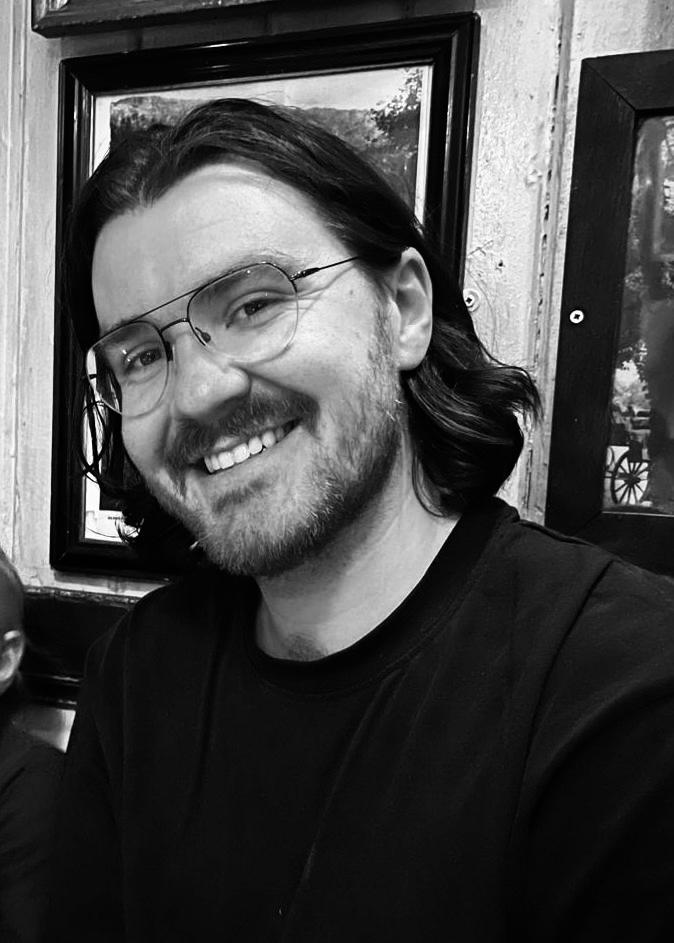
Alex Aylward is a historian of the life and human sciences, especially their evolving political implications and societal applications across the modern period. He joined the University of Oxford’s Faculty of History in 2021 as Departmental Lecturer in the History of Science, and currently convenes Oxford’s master’s programme in the History of Science, Medicine and Technology. Prior to this he undertook a PhD at the University of Leeds, where his doctoral research examined the work of statistician, geneticist and eugenicist R. A. Fisher. His current research is focused on eugenics in Britain, particularly the institutional and political processes by which it gained, then subsequently lost, its status as a legitimate ‘science’. Awards for his published work include the Singer Prize of the British Society for the History of Science and the Marjorie Grene Prize of the International Society for the History, Philosophy and Social Studies of Biology. Alex has previously held visiting scholarships at the American Philosophical Society in Philadelphia and Charles University in Prague. He is currently a Research Fellow at Linacre College, Oxford, and serves as honorary archivist of the British Society for the History of Science.
The plenary lecture title is “Unbecoming Science: Eugenics and the Problem of Ends”
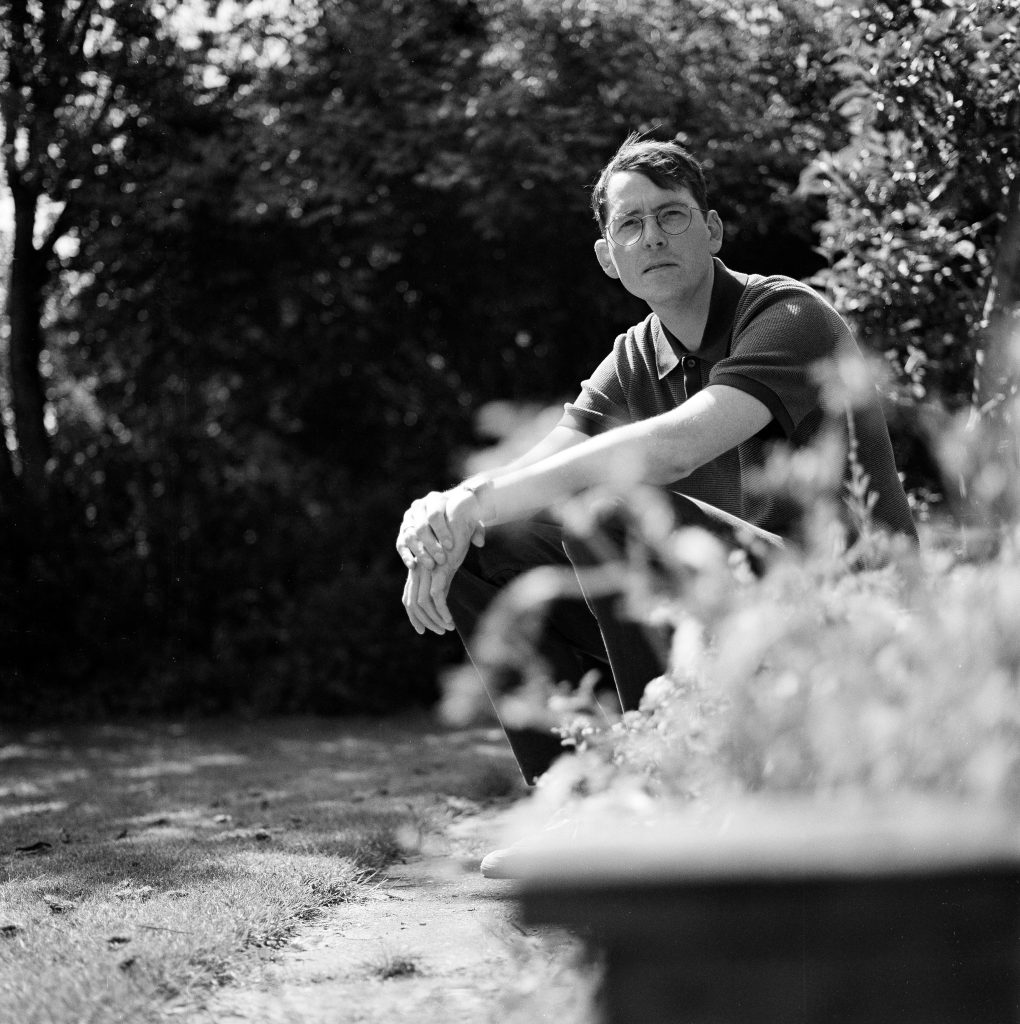
Christoffer Basse Eriksen is an associate professor of history of science at the Centre for Science Studies, Aarhus University. Since earning his PhD in 2018, he worked as a postdoctoral researcher at the University of Cambridge and Humboldt-Universität zu Berlin before returning to Aarhus University in 2024. His research investigates the early uses of the microscope in the Royal Society, the emergence of plant anatomy as a discipline, and the territorial politics of plant images. He is a recipient of the Royal Society’s Lisa Jardine Award, Independent Research Fund Denmark’s Original Idea of the Year Prize, and, together with Xinyi Wen, the History of Science Society’s Margaret W. Rossiter History of Women in Science Prize. Recently, he co-edited the special issue of Centaurus on Nehemiah Grew and the Making of the Anatomy of Plants with Pamela Mackenzie. He is currently leading the IRFD Sapere Aude Starting Grant “Sovereign Flowers,” which sets out to conduct the first large-scale study of the momentous Flora Danica volumes. Christoffer is also serving as Chairperson of the Danish Young Academy.
The plenary lecture title is “Sovereign Flowers: Flora Danica and the Emergence of the National Flora, 1750–1900″
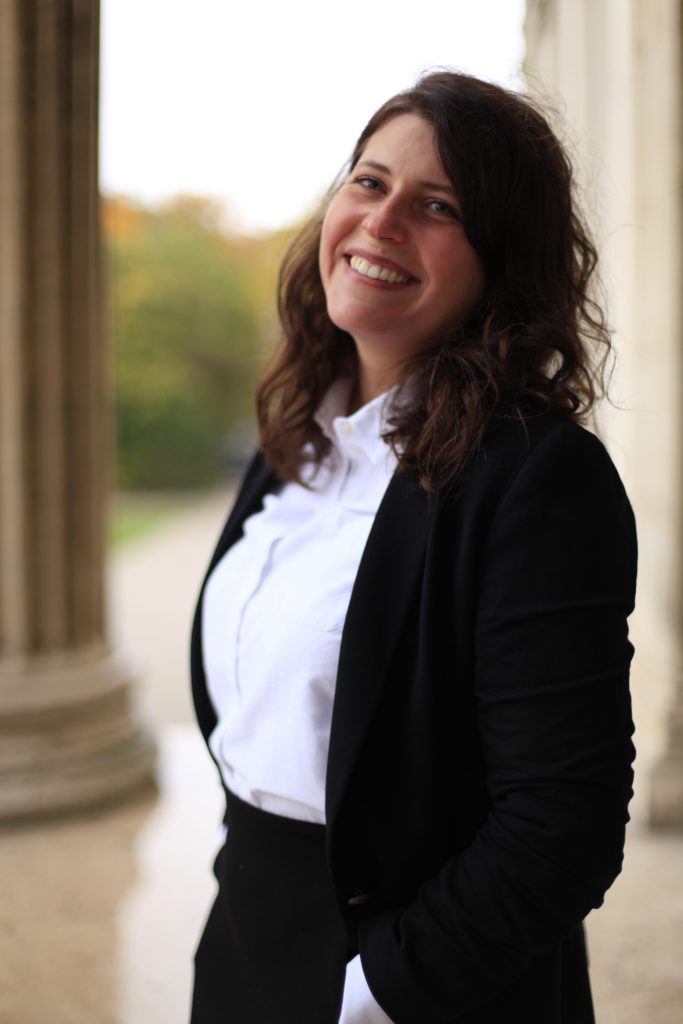
Josephine Musil-Gutsch is a historian of science working on an integrated history of the humanities and the sciences, with particular attention to shared practices and material culture. She received her PhD from Ludwig-Maximilians-University Munich, where she is currently a postdoctoral researcher within the Cluster of Excellence Cross-Cultural Philology, working on a project on the Philology of Alchemy. Her current research investigates the historiography of alchemy, with a focus on philological practices, material culture, and experimental reconstruction.
Her dissertation, published in German in 2024, investigates collaborative research practices between the humanities and the sciences around 1900 by examining a broad range of disciplinary intersections, including Assyriology and chemistry, palaeography and plant physiology, and art history and ophthalmology.
After completing her PhD, she worked as a business consultant and held a postdoctoral position at FAU Erlangen-Nürnberg. During her PhD, she was a Research Fellow at the Vossius Center for the History of Humanities and Sciences at the University of Amsterdam, a Visiting Student Researcher at the University of California, Berkeley, and a Fellow of the German National Academy of Sciences Leopoldina in Halle. Her research has received several awards, including the Georg-Uschmann Prize of the National Academy of Sciences Leopoldina (2023), the Bettina Haupt Award of the German Chemical Society (2023), the Munich Historicum Prize of LMU Munich (2023), and the Graduate Student Paper Award of the Society for the History of Humanities (2018).
The plenary lecture title is “From Excrement to Experiment. Camel Dung, Philology and the History of Alchemy”